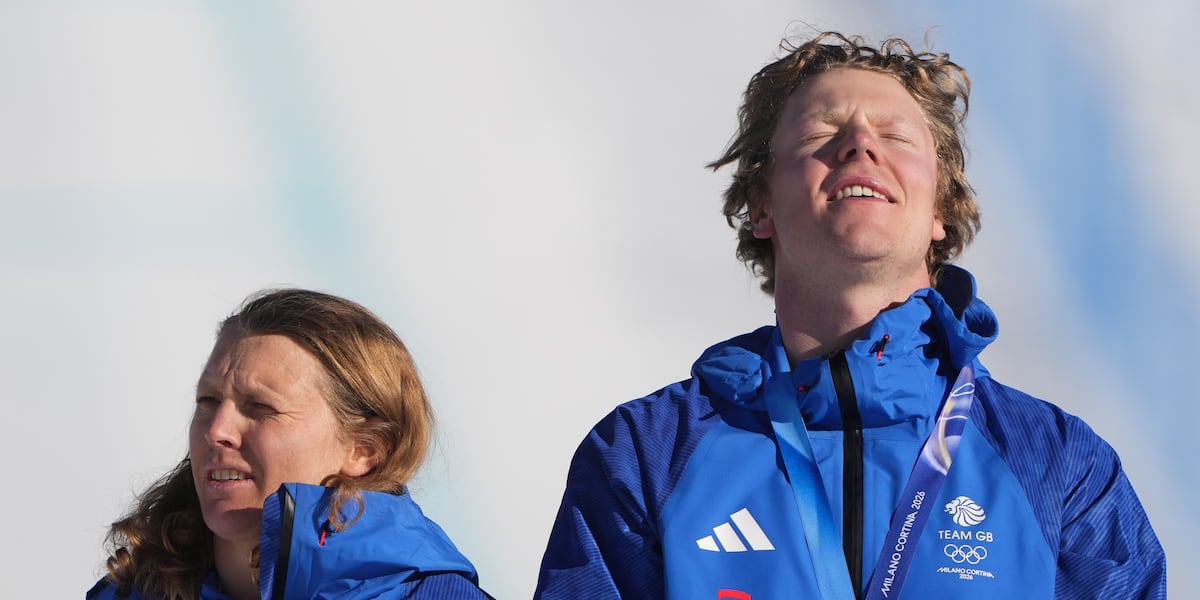
The Winter Olympics are a theatre of dreams, where years of dedication culminate in moments of breathtaking performance. For Great Britain, the Milan-Cortina 2026 Games have etched an unforgettable chapter into this legacy, delivering a stunning "Golden Surge" that saw the nation claim an unprecedented three gold medals in a remarkable 48-hour period. This historic achievement has not only rewritten the record books but also ignited a new wave of enthusiasm for British winter sports, showcasing the grit, talent, and strategic prowess of Team GB athletes on the world stage. It's a testament to perseverance, especially given the initial frustrations of the Games, making these Team GB's 3 gold medals at Winter Olympics 2026 even sweeter and firmly placing the spotlight on Gb Gold Medals Winter Olympics achievements.
A Historic Haul: Britain's Unprecedented Winter Olympic Success
February 15, 2026, will forever be remembered as a pivotal date in Great Britain's Winter Olympic history. On this single day, Team GB accomplished something never before seen: securing two gold medals. This phenomenal feat was quickly followed by another, solidifying Milan-Cortina 2026 as the first Winter Olympics where Britain has earned three gold medals overall. This monumental success wasn't merely a stroke of luck; it was the culmination of relentless training, strategic planning, and unwavering determination from athletes and support staff alike.
What makes this gold rush particularly compelling is its timing. The early days of the Games had been marked by a succession of agonising fourth-place finishes, creating a narrative of "what ifs" and near-misses. Athletes like Marcus Wyatt and Freya Tarbit felt the sting of disappointment most acutely, missing out on a bronze medal in the mixed team skeleton by a mere 0.01 seconds. These moments of frustration, however, only served to amplify the eventual triumphs, building a powerful story of resilience and breakthrough. The sheer emotional rollercoaster, from the brink of despair to the heights of Olympic glory, makes the Milan-Cortina 2026 Games a truly captivating spectacle for fans of British winter sports.
The Golden Triad: Breaking Down Each Triumph
The three gold medals were not just wins; they were displays of dominance, teamwork, and nerve-wracking precision, each contributing to the remarkable story of Gb Gold Medals Winter Olympics.
Matt Weston: Skeleton's Solo King and Mixed Team Master
The charge was led by skeleton superstar Matt Weston, who quickly emerged as a defining figure of the Milan-Cortina Games. Weston first captivated audiences with a dominant performance in the individual men's skeleton event. Known for his explosive starts and meticulous control, he navigated the treacherous ice track with an almost surgical precision, leaving his competitors in his wake to claim Britain's first gold medal of the Games. This individual triumph set the tone for Team GB's resurgence.
However, Weston wasn't content with just one gold. Demonstrating incredible versatility and teamwork, he partnered with Tabitha Stoecker in the inaugural mixed team skeleton competition. This new format demanded perfect synchronisation and seamless transitions, and the British duo delivered a thrilling final run that snatched first place from a highly competitive field. Weston's "golden double" is a rare achievement in any sport, cementing his status as a true legend of British winter sports and a key figure in the narrative of Gb Gold Medals Winter Olympics.
The mixed team skeleton, being an inaugural event, added an extra layer of historic significance. It showcased Team GB's ability not only to excel in traditional disciplines but also to adapt and dominate in new, evolving formats, underlining the depth of talent and strategic preparation within the squad.
Bankes and Nightingale: Snowboard Cross Power Duo
Adding to the historic day on February 15th, Charlotte Bankes and Huw Nightingale delivered a spectacular performance in the mixed team snowboard cross. This event is a high-octane spectacle, combining individual speed with tactical teamwork as two athletes race concurrently down a challenging course filled with jumps, rollers, and sharp turns. Bankes, already a world champion in her own right, provided the explosive power and technical prowess, while Nightingale showcased his fearless racing and ability to hold lines under pressure. Their seamless coordination and aggressive riding strategy saw them power through their heats and dominate the final, securing Britain's second gold of that memorable Sunday.
Their victory, preceding Weston and Stoecker's second gold, highlighted the breadth of talent within Team GB across different disciplines. It showcased that the "Golden Surge" wasn't confined to a single sport but was a collective effort spanning various winter pursuits. The sheer excitement and unpredictable nature of snowboard cross also brought a thrilling dimension to Britain's medal haul, captivating audiences with its fast-paced action and head-to-head racing.
Beyond Milan-Cortina: Team GB's Growing Winter Legacy
The three gold medals won at Milan-Cortina 2026 have pushed Great Britain's all-time Winter Olympic gold medal tally to an impressive 15. This incredible leap represents not just a fleeting moment of glory, but a significant milestone in the nation's journey within winter sports. From humble beginnings to consistently challenging on the global stage, Team GB's evolution has been remarkable.
The foundations of this legacy stretch back over a century, long before the modern Winter Olympics as we know them. Early pioneers paved the way for today's success. For instance, Madge Syers, a trailblazer in figure skating, technically won Britain's first Olympic gold in a winter sport at the 1908 London Summer Olympics. Though unofficial by modern Winter Olympic standards, her triumph in ladies' singles, following her earlier groundbreaking participation as the first woman at the World Figure Skating Championships in 1902, set a precedent for British excellence. Then, in the first official Winter Games in Chamonix in 1924, the men's curling team, featuring legends like Robin Welsh, secured Britain's first official Winter Olympic gold, a victory only confirmed by the IOC 82 years later.
These historical achievements, alongside subsequent successes like the men's ice hockey team's surprise win at the 1936 Garmisch-Partenkirchen Games, laid the groundwork for the sustained growth of winter sports in Britain. The journey of Team GB's 15 Winter Olympic Gold Medals reflects a continuous dedication to nurturing talent, investing in infrastructure, and developing world-class coaching. This consistent effort is now bearing fruit, as evidenced by the unprecedented success at Milan-Cortina.
The Road Ahead: What Milan-Cortina Means for British Winter Sports
The "Golden Surge" at Milan-Cortina 2026 is more than just a collection of medals; it's a powerful catalyst for the future of British winter sports. Such visible success on the world stage inevitably inspires a new generation. We can expect to see an increased interest in sports like skeleton, snowboard cross, and other winter disciplines, encouraging greater participation at grassroots levels. This surge in enthusiasm is crucial for identifying and nurturing future Olympic talent.
Beyond inspiration, these Gb Gold Medals Winter Olympics victories will likely translate into increased funding and support for winter sports programs. Government bodies, national sports organisations, and private sponsors often follow success, recognising the potential for positive national PR and continued athletic achievement. This funding can be critical for:
- Advanced Training Facilities: Investing in state-of-the-art tracks, slopes, and gyms that allow athletes to train closer to home.
- Specialised Coaching: Attracting and retaining top-tier coaches who can guide athletes through the intricate demands of their sports.
- Sports Science and Technology: Utilising cutting-edge research in areas like nutrition, biomechanics, and equipment design to give athletes a competitive edge.
- Youth Development Programs: Creating pathways for young talent to progress from beginner to elite levels, ensuring a sustainable pipeline of future Olympians.
The success of athletes like Matt Weston, Tabitha Stoecker, Charlotte Bankes, and Huw Nightingale underscores the fact that with dedication, strategic investment, and a robust support system, Britain can compete and win at the highest echelons of winter sports. The momentum generated by these Games provides a unique opportunity to further solidify Britain's position as a formidable force in the Winter Olympics. To delve deeper into the full scope of Team GB's groundbreaking achievements, read more about Team GB Makes History: Unpacking 3 Gold Medals at Winter Olympics 2026.
The path to Olympic glory is never easy. It demands sacrifices, immense discipline, and the ability to overcome setbacks. The Milan-Cortina 2026 Games beautifully illustrated this, turning early frustrations into an extraordinary tale of triumph. This experience offers a valuable lesson not just for aspiring athletes, but for anyone pursuing excellence: perseverance, even in the face of near-misses, can ultimately lead to unprecedented success.
The Milan-Cortina 2026 Winter Olympics will forever be etched in the annals of British sporting history. With three gold medals arriving in a spectacular 48-hour period, Team GB didn't just win; they broke records and shattered expectations. This "Golden Surge," spearheaded by the remarkable efforts of Matt Weston, Tabitha Stoecker, Charlotte Bankes, and Huw Nightingale, not only compensated for a challenging start but also announced Great Britain as a serious contender across a diverse range of winter sports. These Gb Gold Medals Winter Olympics successes are a testament to the dedication of its athletes and a beacon of inspiration for future generations, promising a bright and exciting future for British winter sports on the global stage.